
UK insurance comparison
Compare cover once.
Decide on the price.
Answer one short set of questions and see quotes from a panel of UK insurers and brokers side by side, with the excess and cover level shown next to every price.
- One form, one panel of providers — no repeat form-filling
- Free to use, with no charge added to your premium
- Quote searches are soft searches and never affect your credit score
- Eight cover types, from car and home to life and breakdown
Get Quotes
Clicking through takes you to a partner comparison network, where you enter your details once and see your quotes.

Cover types
Choose what you need covered

Home insurance
Get Quotes
Van insurance
Get Quotes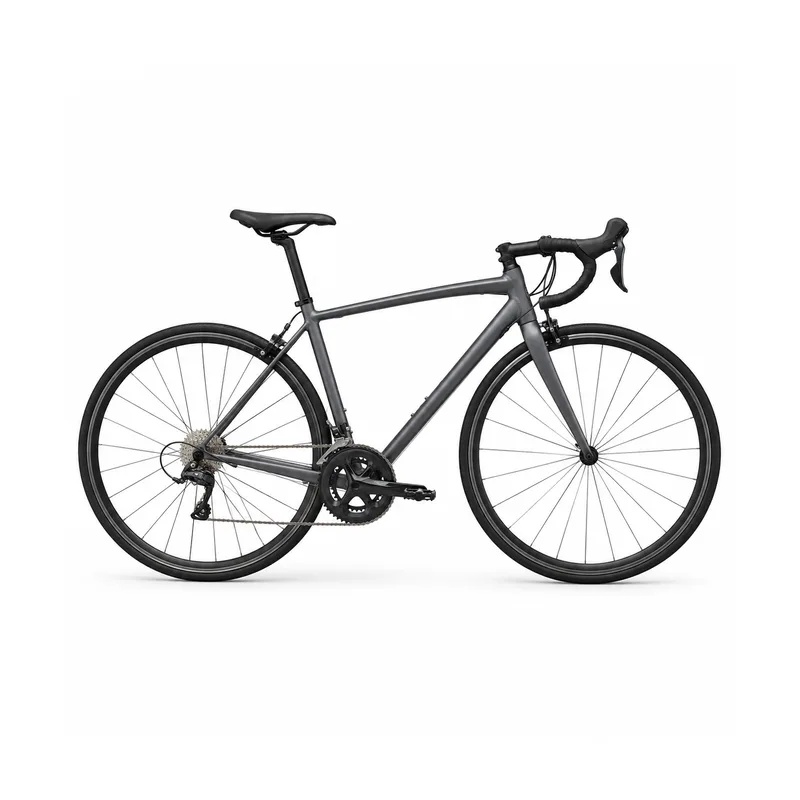
Bike insurance
Get Quotes
Pet insurance
Get Quotes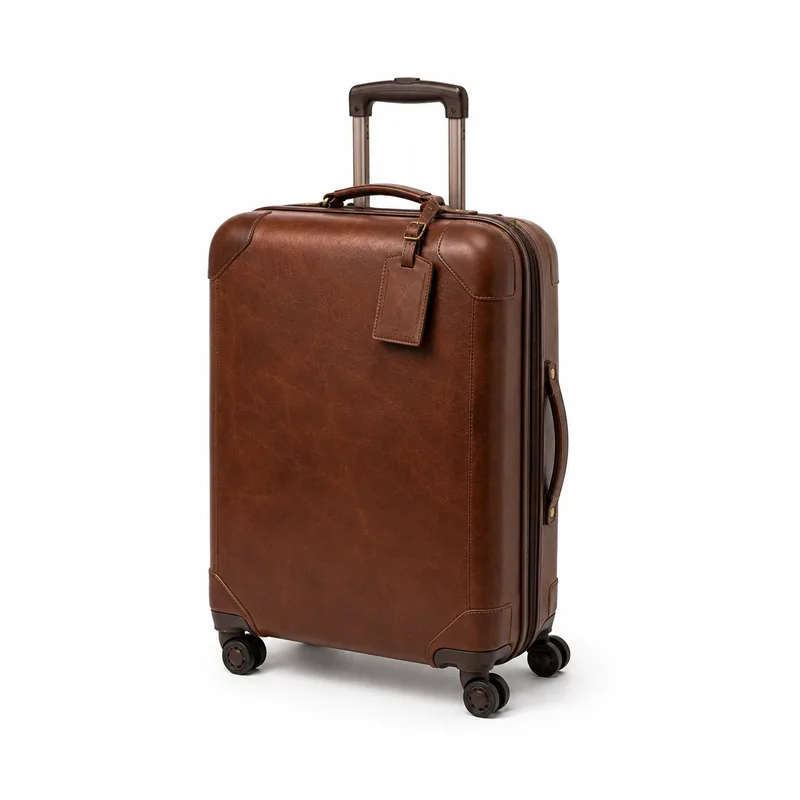
Travel insurance
Get Quotes
Life insurance
Get Quotes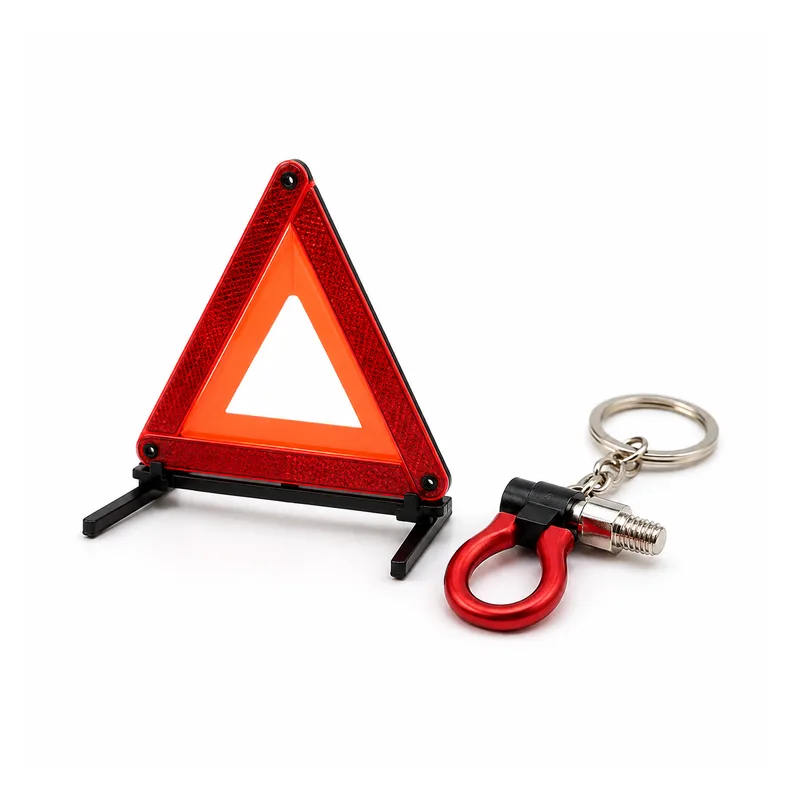
Breakdown cover
Get QuotesA panel of UK insurers and brokers















Why compare with us
What to check before you renew
No figure appears here until it can be evidenced. Any claim still awaiting a verified source is marked as such.
-
01
Breadth of the panel
Our partner Quotezone compares quotes from a wide panel of UK insurers and brokers, confirmed against their live technology.
-
02
Typical saving at renewal
Comparing at renewal, rather than letting a policy auto-renew, is consistently the biggest lever for reducing your premium.
-
03
Time to complete
How long the questions actually take, measured rather than estimated. [Insert verified stat]
-
04
Cover types available
Compare car, home, van, bike, pet, travel, life and breakdown cover in one place.
-
05
Data protection
Our comparison partner, Quotezone (a trading name of Seopa Ltd), is authorised and regulated by the Financial Conduct Authority.
Guide
A complete guide to UK insurance comparison
Insurance in the UK is priced individually. Two people living on the same street, driving the same car, with the same clean licence, can be quoted amounts that differ substantially — because every insurer weighs risk differently and each one is competing for a slightly different kind of customer. Comparison exists to make that variation visible before you commit.
How comparison actually works
You answer one set of questions about the thing being covered: the vehicle, the property, the traveller, the pet, the business. Those answers are passed to a panel of insurers and brokers, each of which returns a price for the cover you asked for. What comes back are live quotes rather than estimates, and they usually hold for a limited period, so a quote you collect today can still be bought later that week.
You are not buying from the comparison journey itself. Once you choose a quote, you complete the purchase with the insurer or broker behind it, and the policy documents, cancellation rights and claims process are theirs.
What comparison does not do
- It does not cover the whole market. No single panel includes every UK insurer, and a few sell direct only.
- It does not judge whether the cover suits you. Price is comparable at a glance; suitability is not.
- It does not affect your credit file. Quote searches are soft searches and leave no mark visible to lenders.
What actually moves your quote
Most people assume age and postcode do all the work. They matter, but so do a number of things that are easier to control.
The risk itself
For a car: the vehicle group, its value, where it is kept overnight, annual mileage and who else drives it. For a home: construction type, the age of the roof, previous flood or subsidence history, and whether anyone is normally at home during the day. For travel: destinations, trip length and any pre-existing medical conditions declared honestly.
The shape of the policy
Excess is the lever people forget. Raising the voluntary excess lowers the premium, but only helps if you could actually pay the total excess tomorrow. Add-ons — legal expenses, breakdown, courtesy vehicle, key cover — are sometimes bundled and sometimes priced separately, which is why two quotes with identical headline prices are not always equivalent.
Timing
Insurers price renewal risk partly on how close you are to the start date. Quotes collected a few weeks before your policy expires are generally cheaper than quotes collected on the day it lapses, and letting a policy auto-renew is the single most common way people overpay.
Set a calendar reminder for three weeks before your renewal date. That one habit does more for your premium than any single answer on the form.
How to prepare before you compare
Fifteen minutes of preparation makes the quotes you get more accurate and much faster to collect. Have the following to hand:
- Your current policy documents, including the renewal price and your existing excess.
- Registration number, mileage and any modifications for a vehicle; build date and construction notes for a property.
- Dates and details of any claims or convictions in the last five years.
- Your licence number, and those of any additional drivers you intend to add.
- The date you want cover to start, which is not always today.
Answer everything accurately, even where an honest answer looks like it will cost you. Non-disclosure is the most common reason a claim is reduced or refused, and a policy that fails at the point of claim was never cheap.
Reading a set of quotes properly
Sort on price first, then read across. Compare the compulsory and voluntary excess together, check what is included rather than sold separately, and look at the payment terms: monthly instalments usually carry interest, which can make a cheaper headline price the more expensive policy over twelve months.
If two quotes look equivalent, the tie-breakers worth weighing are the claims process, whether repairs use approved garages, and what happens to your no-claims discount after a fault claim.
FAQs
Questions people ask first
How does Smart Cover Quotes work?
We are a comparison front door. You choose the type of cover you need and we take you through to a partner comparison network, where one set of questions is sent to a panel of insurers and brokers. You then see the quotes that come back, side by side, and buy directly from the provider you choose.
Is my data safe?
The details you enter for a quote are submitted within the partner comparison network and shared with the providers on its panel so they can price your risk. Read that network's privacy notice at the point you enter your details, and our own Privacy Policy for what we collect on this site. We do not sell your details as a marketing list.
What information do I need to get a quote?
For most journeys: your address, the date you want cover to start, and details of what is being insured — registration number and mileage for a vehicle, or construction and occupancy details for a property. You will also be asked about claims and convictions in the last five years. Having your current policy to hand makes it faster and lets you compare like for like.
Does comparing affect my credit score?
No. Getting quotes involves a soft search, which is not visible to lenders and does not affect your score. A hard search may apply separately if you choose to pay monthly, because that is a credit agreement — the provider will tell you before you commit.
Does it cost anything to use?
Comparing is free to you and nothing is added to your premium for using this site. We may be paid a commission by the partner network when a policy is purchased, which does not change the price you are quoted.
What happens after I click Get Quotes?
You are taken to a partner comparison network to answer the questions for the cover you selected. Your quotes are returned there, and any policy you buy is arranged between you and the insurer or broker behind that quote.
Can you advise me on which policy to choose?
No. We provide information, not advice, and nothing on this site is a personal recommendation. Read the policy wording and key facts documents before buying, and speak to a regulated adviser if you need advice on your circumstances.
Compare before you renew
One set of questions, a panel of providers, and the excess shown next to every price.
Get Quotes
Takes you to a partner comparison network.